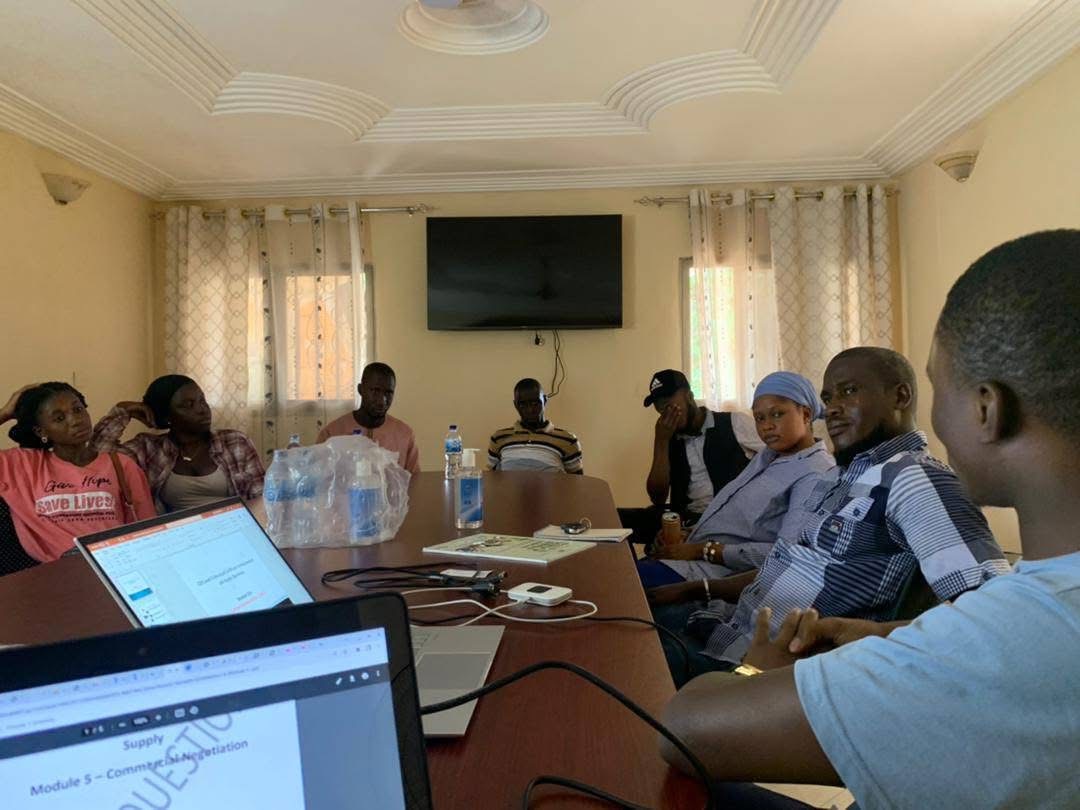
Event Description
Course Overview:
This course provides a deep dive into the management of projects funded by donor organisations (bilateral, multilateral, private foundations), combining advanced project management techniques with donor-compliance, financial oversight, stakeholder engagement and sustainability planning. Participants will engage in case studies, simulations and practical work to design and manage donor-funded projects with effectiveness, accountability and impact.
Course Objectives
By the end of the course, participants will be able to:
• Understand the unique dynamics, requirements and risk‐landscape of donor-funded projects.
• Develop project plans that align both with technical objectives and donor expectations.
• Manage project execution, monitoring, evaluation and closure within donor frameworks.
• Handle financial management, budgeting, procurement and compliance specific to donor funding.
• Engage stakeholders (including donors, government, civil society) and maintain effective communication.
• Ensure quality assurance, risk mitigation and lessons-learned mechanisms.
• Plan for sustainability, accountability and impact beyond project closure.
Target Audience
• Project managers,
• programme officers,
• finance & grants staff,
• M&E specialists,
• NGO & governmental staff working on donor-funded programmes, consultants.
Course content
Module 1: The Donor-Funded Project Environment
• Types of donors (bilateral, multilateral, private foundations) and funding models.
• Donor expectations, compliance frameworks, allowable vs non-allowable costs.
• Project versus programme versus ongoing interventions; understanding the lifecycle of a donor project.
• The development context, donor partner relationships and alignment with local/national strategies.
• Benchmarking and good practice in donor-funded project management.
Module 2: Project Selection, Design & Planning
• Defining scope, objectives, deliverables, constraints and stakeholders.
• Work Breakdown Structure (WBS), Gantt charts, precedence networks, resource allocation.
• Risk identification & contingency planning.
• Integration with donor logical frameworks (log frames) and theory of change.
• Budgeting and cost estimation aligned with planning.
Module 3: Financial Management & Budgeting for Donor-Funded Projects
• Multi-year budgeting, cost allocation methodologies, budget variance analysis.
• Tracking expenditures, burn-rate management, coding for multi-projects.
• Financial controls, internal audits, donor disbursement procedures, handling special accounts/imprest.
Module 4: Procurement, Contracts & Resource Management
• Procurement planning, ethics in procurement, supplier/contractor management.
• Resource (human, material, equipment) management in donor contexts.
• Issue management and change management in contracts.
Module 5: Monitoring, Evaluation, Quality Assurance & Reporting
• Designing M&E frameworks that link to donor requirements and project deliverables.
• Tracking progress and impact, measuring outcomes and reporting results.
• Quality assurance processes to meet donor standards.
• Documentation, information management, lessons learned and continuous improvement.
Module 6: Stakeholder Engagement, Communication & Relationship Management
• Mapping stakeholders (donors, government, beneficiaries, partners) and managing expectations.
• Effective communication and reporting to donors and stakeholders.
• Building collaboration, managing conflict, sustaining partnerships.
Module 7: Risk Management, Sustainability & Project Closure
• Identifying and mitigating project risks (financial, operational, reputational, compliance).
• Planning for sustainability beyond donor funding: cost-recovery, revenue diversification, exit strategies.
• Project closure: final reporting, asset disposal, handling underspent funds, archive management.
Module 8: Case Studies, Simulations & Practical Action Plan
• Interactive sessions applying the above modules to real or hypothetical donor-funded projects.
• Participants develop an actionable project/implementation plan (or improvement plan) for their own organisation.
• Reflection on lessons learned, peer-to-peer learning, group work and facilitator feedback.